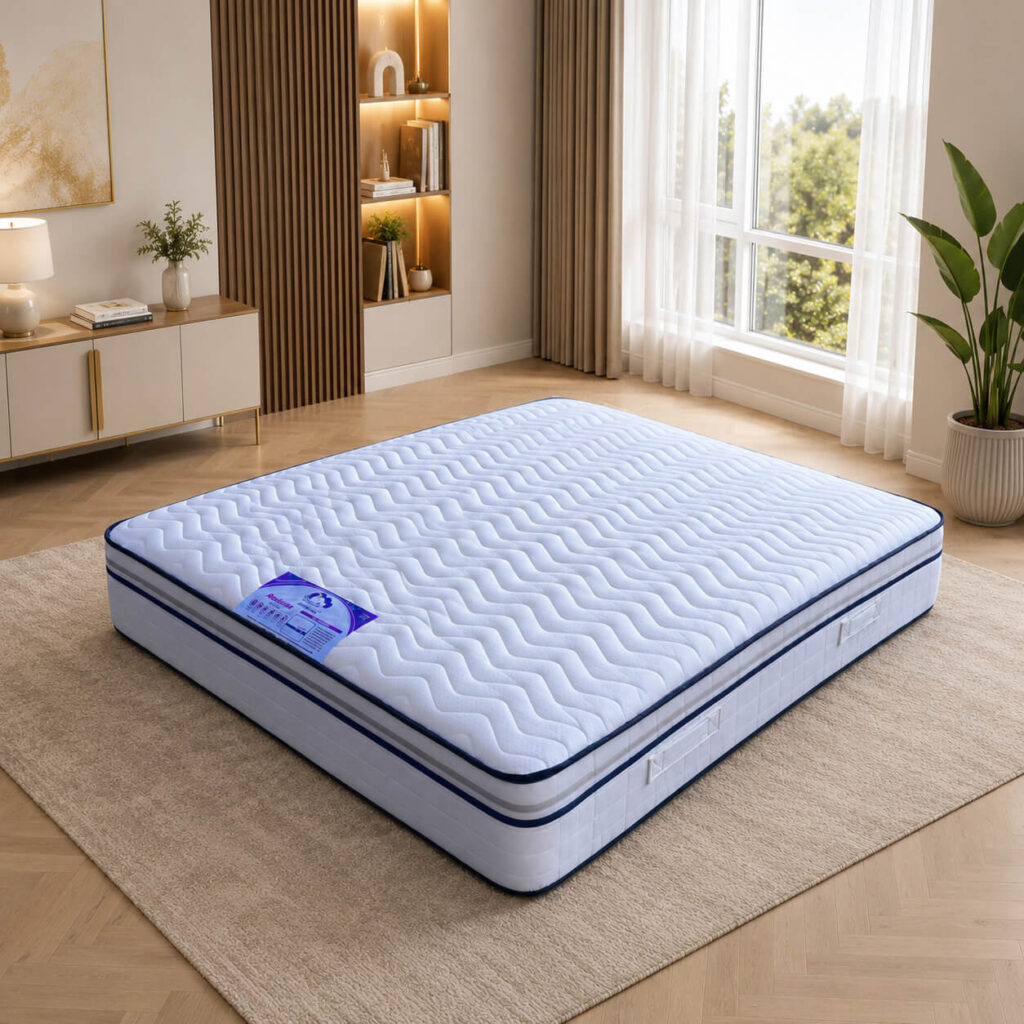
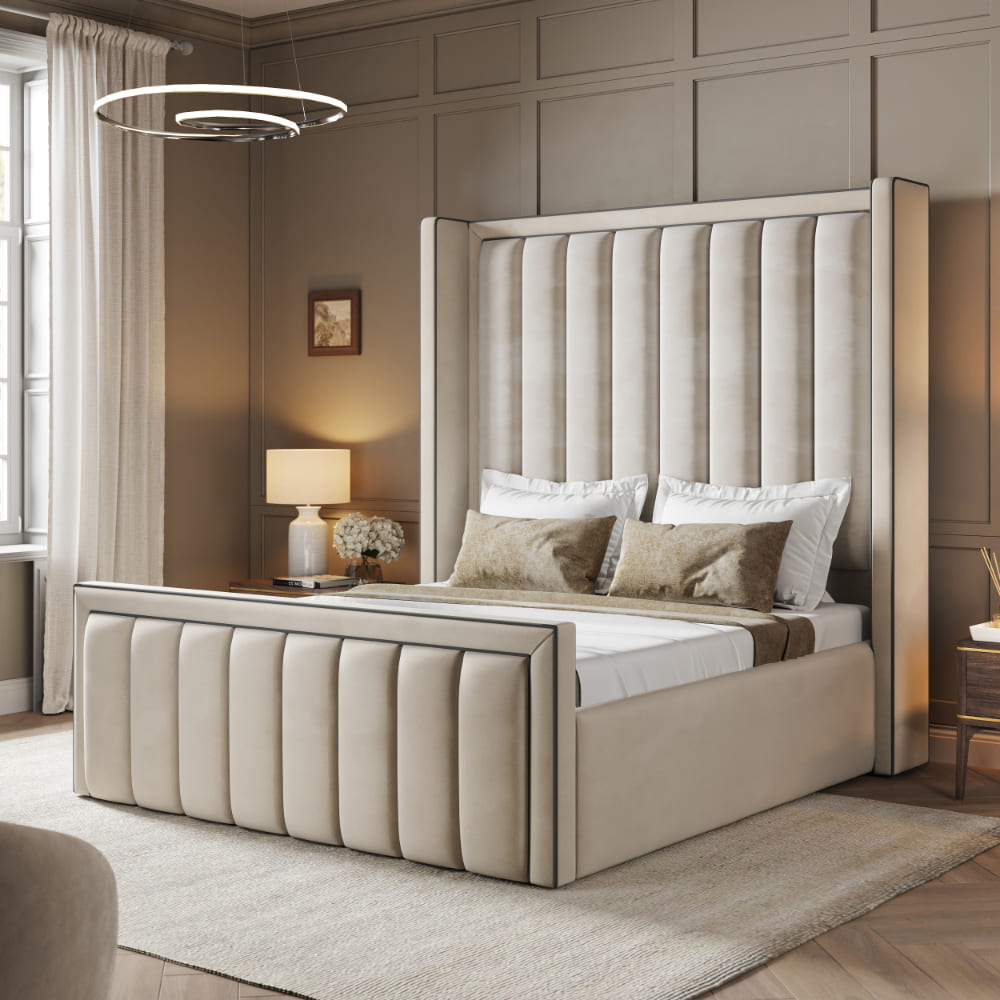
Single vs Small Double Beds for Kids; Complete Buying Guide
Choosing a bed for your child sounds simple until you’re actually standing there, unsure of the size, space, and the inevitable “what if they grow out of this bed too soon?” question.This is because; it’s not just about fitting the bed into the space; it’s about designing a space where your little dreamers can spread out, dream, and grow. So, when it comes to the small double vs. single, the decision becomes a quiet debate.
This guide will provide you with an overall understanding of single vs double beds as well as the dimensions, usability, comfort, and best long-term value of each type of bed. So that you can make the right decision with clarity instead of second-guessing.
Understanding the Basics: Bed Sizes Explained
It’s important to understand what each size actually means, before going deep into comparisons of small double vs single or small double vs double.
Single Bed
A standard single bed typically measures:
Width: 90 cm (3 ft)
Length: 190 cm (6 ft 3 in)
You may also come across the term small single vs single. A small single is narrower than a standard single (usually around 75 cm). For kids, especially growing ones, a standard single is far more practical than a small single.
Small Double Bed
If you’re wondering what’s the size of a small double bed and what is a small double bed called. Then the answer is that it is commonly known as a “three-quarter bed”, and it measures:
Width: 120 cm (4 ft)
Length: 190 cm (6 ft 3 in)
When comparing single vs small double, the most defining element is width. You might keep on thinking what width is a small double bed. So, the answer is that the small double dimensions are an extra 30 cm wider when compared to a single bed. Similarly, a double bed is 15 cm wider than a small double. Thus,
The jump from single → small double adds 30 cm of extra space.
The jump from small double → double adds another 15 cm.
Bed Size Comparison: Single and Small Double Dimensions
Bed Type
Width
Length
Best For
Single Bed
90 cm (3 ft)
190 cm (6 ft 3 in)
Kids, small rooms
Small Double
120 cm (4 ft)
190 cm (6 ft 3 in)
Growing kids, teens
Double Bed
135 cm (4 ft 6 in)
190 cm (6 ft 3 in)
Teens, adults, shared use
Small Double Bed Compared to Single: Which One Should You Choose?
Room Size Considerations
Before choosing between single vs small double, measure your space carefully. Choose a Single Bed if:
The room is under 8–10 m²
You need space for desks or storage
Your child is under 10 years old
Choose a Small Double if:
The room is moderately sized
You want a long-term solution
Your child values comfort and space
Thus, if your child’s room is limited, then the single bed is the best fit. However, if you can spare the extra width, then the upgrade to a small double bed is noticeable.
Style & Aesthetic Impact
Beyond practicality, bed size affects how a room looks.
Single beds create a clean, minimal layout.
Small doubles add presence and a sense of luxury.
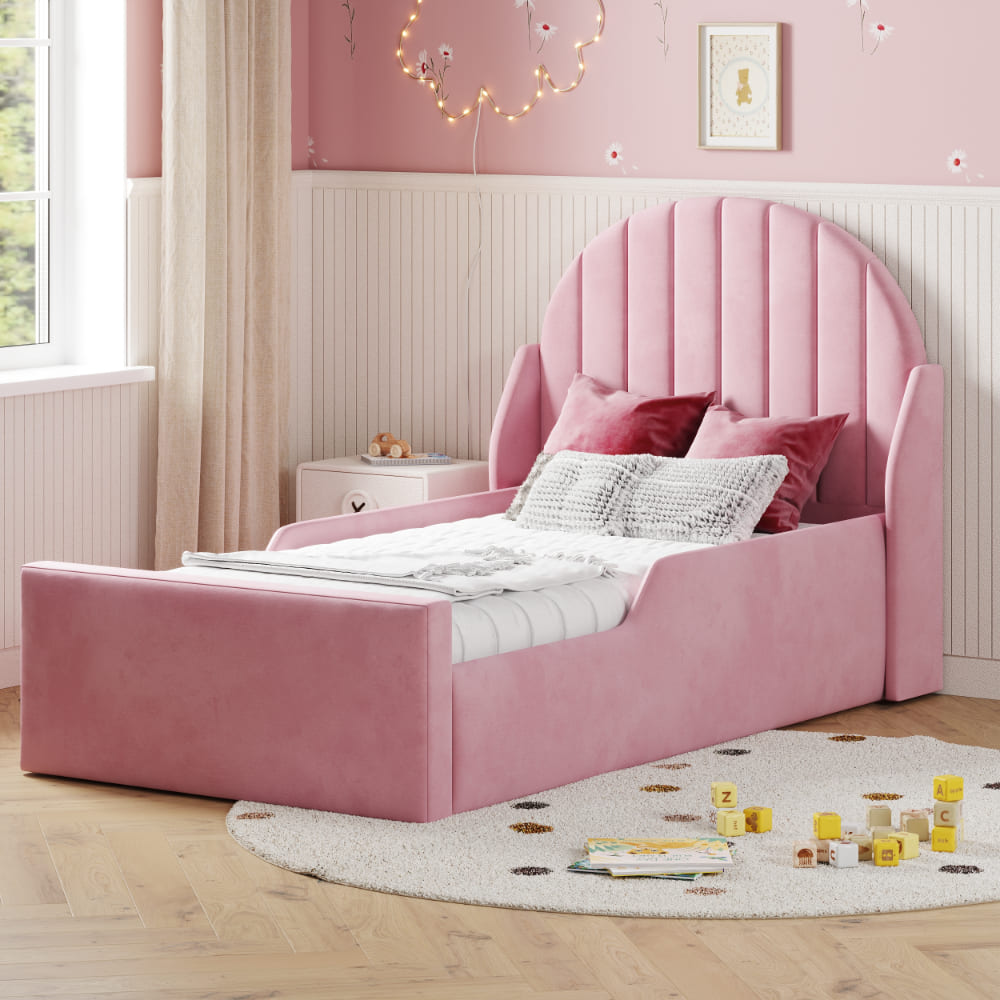
So in the single vs double bed conversation, aesthetics play a subtle but important role. Thus, choose a small double Rosy Glow Kids Bed to shape the entire feel of the room and blend comfort with a design that feels playful.
Storage & Functionality
Both bed types can include storage options like:
Ottoman lift-up bases
Divan Solid Base Ottoman
However, small doubles offer more storage capacity due to their larger frame; another advantage in the small double vs single debate.Therefore, opting for the small double Magic Castle Kids Bed with an optional divan ottoman base and lift-up ottoman takes functionality a step further. It gives you generous hidden space to tuck away bedding, toys, and seasonal essentials without cluttering the room.
Budget Considerations
Cost is always a factor in single vs small double decisions.
Single beds are generally more affordable.
Small doubles cost more but offer better long-term value. So, think of it as:
Short-term saving vs long-term investment and choose accordingly.
Comfort & Movement
In the debate of small double vs single, comfort is where the small double shines.
Single beds can feel restrictive, especially for active sleepers.
Small doubles allow more room to stretch, turn, and relax.
Therefore, this makes a small double bed compared to single bed far more comfortable for older kids.
Sleepovers & Sharing
One of the most common questions is: is a small double big enough for 2? The answer is:
Yes, for occasional use (sleepovers or siblings sharing temporarily).
No, for everyday adult-level comfort.
But, still, compared to a single bed, a small double offers far more flexibility. Thus, if the goal is to share the bed, then the single bed is not recommended. Instead, the Moonlight Dreams Kids Bed in small double size works best as a practical solution. It offers just enough extra width to comfortably accommodate sleepovers or occasional sharing.
Longevity
A key factor in single vs double bed decisions is how long the bed will last.
Single beds are perfect for younger children.
Small doubles grow with your child into teenage years and beyond.
So if you’re planning long-term, the small double vs double comparison becomes relevant, and in this case, the small double kids beds act as a middle ground.
Why the Right Bed Size Shapes Better Sleep
The size of the bed has a far greater influence on the life of the child than the average person might think, as it has a direct influence on the amount of sleep, comfort, and the speed at which the child grows out of the bed. Children naturally grow into their beds as they develop and require more room to stretch out, move around, and get settled. It means that early on it’s essential to choose between single vs small double beds.
Something that felt perfectly good today may feel cramped in as little as 3-4 years from now due to the speed at which children grow. If you are worried about your child outgrowing their bed too quickly or safety while they sleep, then the Extended Headboard Beds can be a thoughtful solution, offering extra protection and a spacious, comfortable area that supports better rest, a sense of privacy, and a more settled daily routine.
Final Thoughts
The final decision between single and small doubles ultimately boils down to finding the right balance between space, comfort, and future requirements. Although having a single bed is convenient and space-efficient, having a small double bed is more flexible and comfortable, especially for your child as they grow into adulthood.
By understanding small double bed dimensions, knowing what size is a small double bed, and assessing how a small double fits into your home, you are more likely to make the right decision. However, if long-term comfort and your child’s growing needs matter more than frequent upgrades, then our luxury bedsare worth considering for a more lasting solution. Ultimately, the right decision is the one that fits into your child’s room and their lifestyle.